Balancing SEO and paid ads isn’t just a marketing move. It’s a survival skill. One gets your phone ringing fast. The other keeps it ringing for years. But when the leads slow down or your ad spend starts feeling heavy, what do you do?
Do you pull back? Ride it out? Or slam the gas on what’s working?
Here’s the interesting part. Most contractors pick sides. Big mistake. SEO and paid ads aren’t enemies. They’re a power combo when you know how to time your moves.
Let’s talk about when to scale up, when to chill, and when to let one carry the load so you stay booked solid.
The Short Game vs. The Long Game
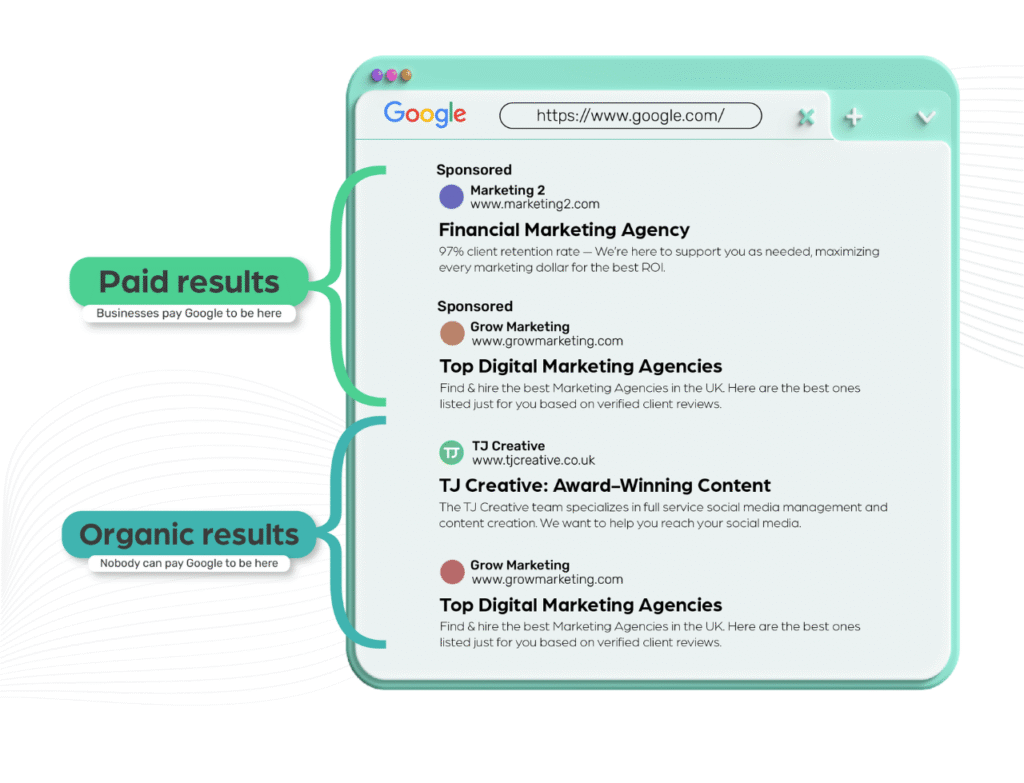
Every contractor wants the phone to ring. Fast. That’s where paid ads come in. You set them up, flip the switch, and boom, your business is front and center.
Paid ads are your shortcut to attention. Perfect when:
- You’re heading into a slow season
- You’re launching a new service
- You just need leads, now
And the numbers back it up. Facebook Ads lead generation boasts an average conversion rate of 8.25%, proving how powerful ads can be for quick lead capture.
But here’s the catch: once you stop paying, visibility disappears. Like turning off a light switch, your reach goes dark.

That’s where SEO steps in.
SEO doesn’t bring leads overnight, but it builds momentum that keeps working while you sleep.
It’s the system that keeps your site ranking high on Google long after the ad spend pauses.
Think of it as your foundation, once it’s solid, you don’t have to pay for every click.
Let’s put it side by side:
| Strategy | Speed | Cost Over Time | Lead Flow | Best For |
| Paid Ads (Google, Facebook, etc.) | Instant | Increases with spend | Stops when ads stop | Short-term boosts, new launches, seasonal pushes |
| SEO (Search Engine Optimization) | Slower build | Decreases over time | Steady, compounding | Long-term growth, consistent leads, credibility |
Both matter. Paid ads help you win today. SEO helps you win next year and the year after that.
When It’s Time to Dial Back the Ads
If your SEO’s kicking in, stop overspending on clicks.
When your organic rankings start climbing, your website is finally doing the heavy lifting for you. That’s your cue to ease off the gas on paid ads and let organic visibility take the wheel for a bit.
Here’s how you know you’re ready:
- Your organic rankings are rising for high-intent, money-making keywords. If your business is showing up for phrases like “HVAC repair near me” or “roof replacement cost,” you’re earning visibility without paying for it. (Want to know how Google decides what ranks? Check out this guide on Google ranking factors for home services).
- Website leads are growing even when ad impressions drop. That means your SEO content is starting to convert visitors directly.
- Cost per lead is creeping up or ad fatigue is kicking in. Same ads, fewer clicks, it’s a clear sign people have seen your campaigns too often.
These signals point to something big: your SEO is building traction, and you’re becoming less dependent on paid visibility.
For example, one roofing company cut PPC spend by 30% once they started ranking for “roof repair near me” and their leads didn’t drop a bit.
That’s the sweet spot you’re after. When your organic presence is doing the heavy work, you can reallocate ad dollars toward something smarter, like reputation management or boosting Google reviews to improve SEO performance.
When Holding Steady or Doubling Down Makes Sense
Sometimes, ads are your best offense.
Even if your SEO’s strong, there are moments when paid ads deserve more love, and more budget.
Here’s when it makes sense to hold steady or go bigger:
- Slow season blues. Leads dry up, but bills don’t. Ads can keep your phone buzzing while SEO naturally dips with lower search volume.
- New service or location launch. Want to test how people respond before investing heavily in SEO? Paid ads give you immediate feedback.
- Heavy competition. When other contractors are flooding search results, ads help you hold your ground and stay visible.
Think of ads as your instant ignition. They fire up demand right when you need it most. And here’s a smart move, use your ad campaigns to test headlines, offers, or landing page angles that can later be refined into SEO content. What converts in ads usually converts in organic too.
Pro tip: Track what messaging performs best in your PPC campaigns and feed that data back into your SEO pages and blog posts. That’s how your entire marketing engine gets stronger with time.
Ads keep you visible today. SEO makes sure you’re visible tomorrow.
How to Measure What’s Really Working
Forget likes and impressions. Track what actually books jobs.
The goal isn’t to look busy online. It’s to bring in real, paying customers. And that means measuring ROI that actually matters, not surface-level metrics.
Here’s what to focus on:
- Cost per lead: How much are you spending for every qualified inquiry?
- Conversion rate: What percentage of those leads turn into paying clients?
- Lifetime value: How much total revenue does each customer bring over time?
Clicks and impressions can make a report look impressive, but they don’t keep your crews working. The real question is simple. Did this bring in jobs?
SEO delivers an average 825% ROI over the long term and converts 84.62% more users than PPC, showing how powerful it can be for steady, sustainable lead flow. Even better, SEO leads close at a rate of 14.6%, compared to 1.7% for outbound methods. That’s about eight and a half times higher conversion, proof that inbound marketing pulls in warmer, more serious buyers.
Using Data to Keep the Balance Right
Data doesn’t lie. Use it or lose money.
Every contractor wants to know one thing: what’s actually working? The only way to answer that is through data. When you track both SEO and paid ads side by side, the numbers tell you exactly where your next dollar should go.
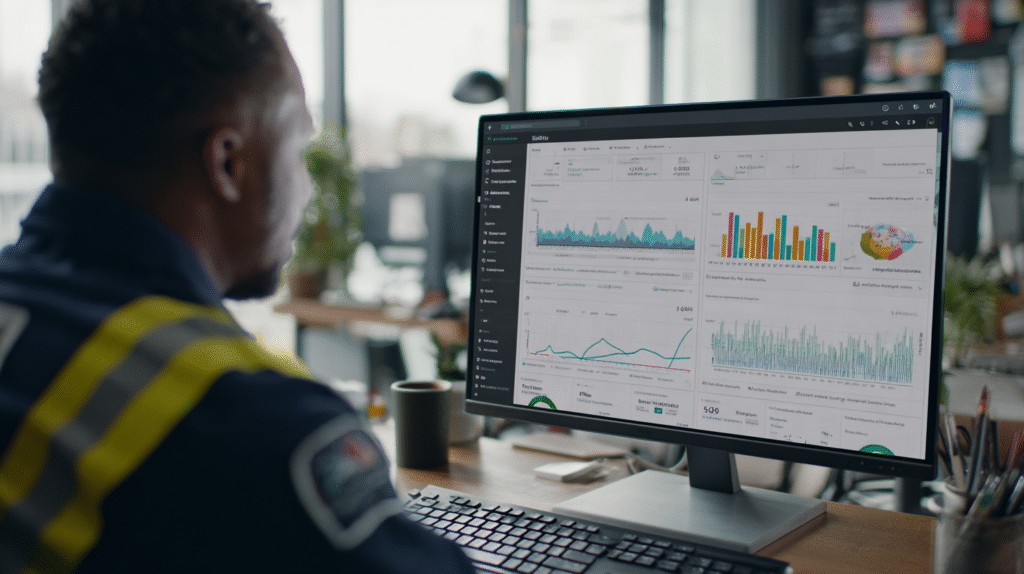
Start by checking your SEO and PPC dashboards every month. Look beyond clicks and impressions. Focus on how many qualified leads each channel brings in, how much they cost, and how often they convert into booked jobs.
Tools like CallRail and HubSpot make this process simple.
- CallRail tracks which calls came from ads versus organic search.
- HubSpot connects every form submission to a specific campaign or keyword, giving you crystal-clear insight into what’s driving real business.

Once you can see that data clearly, build your balance board, a quick breakdown of your monthly marketing spend between SEO and paid ads. Adjust it based on actual performance, not gut feeling.
If SEO is bringing in 60% of your leads, scale PPC back to 40% and put those dollars toward stronger content or link building. Keep checking every month. If the numbers shift, rebalance again. The goal is steady growth powered by proof, not guesswork.
Your Marketing Money Should Work as Hard as You Do
SEO builds the base. Ads bring the boost. Together, they keep your pipeline full and your brand visible.
The goal isn’t spending more, it’s spending smart. Know when to lean on ads and when to let SEO carry the load.
Stop guessing where your leads come from. Schedule a call with Hook Agency today and get a custom growth strategy that makes every marketing dollar pull its weight.