
Thinking about expanding your business or starting a new one in the home services space?
With rising competition, economic uncertainty, and evolving consumer demands, choosing the right niche is more important than ever. Some sectors offer higher margins, more consistent demand, and better long-term growth potential—making them smarter plays in 2026.
In this post, we’ll break down:
✅ The 5 most profitable home service niches this year
📊 Real market size and growth data behind each one
🔥 What’s driving demand and how to take advantage of it
Whether you’re niching down or launching something new, these insights will help you choose a path with stronger ROI and staying power.
1. HVAC: The Year-Round Revenue Machine
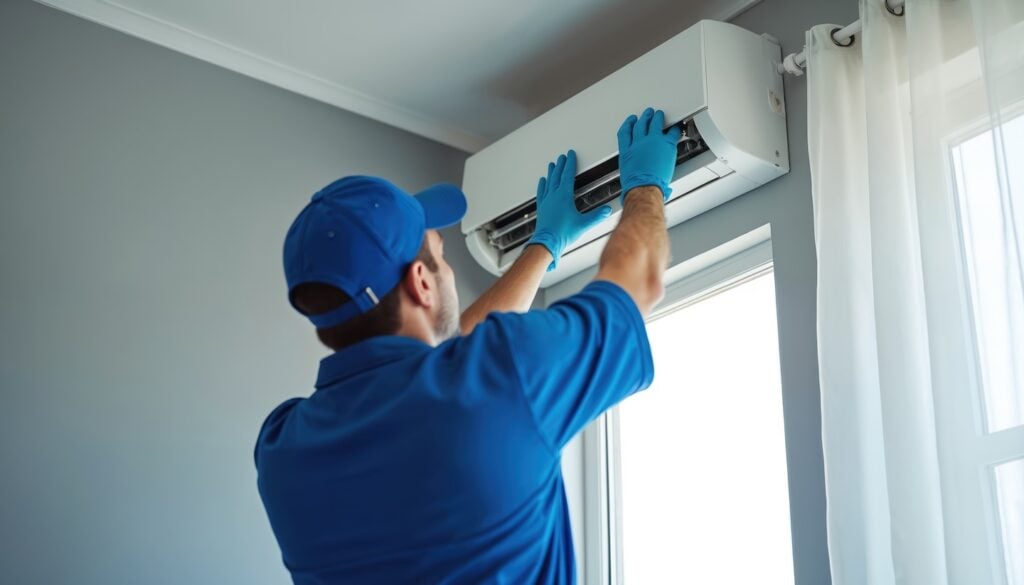
HVAC is one of the most recession-resistant and scalable trades in home services. Homeowners rarely delay fixing heating or cooling issues, especially during extreme weather. That urgency, combined with the high cost of system replacements and rising interest in energy efficiency, makes HVAC a reliable profit driver in 2026 and beyond.
Market Size (U.S.):
$15.4 billion in 2026, projected to reach $31.4 billion by 2034 (CAGR: 7.5%)

Why It’s Profitable:
- High-ticket system replacements (AC units, furnaces, heat pumps)
- Seasonal peaks for both heating and cooling = steady workflow
- Emergency repairs reduce price sensitivity, increasing close rates
Trends Fueling Growth:
- Surge in energy-efficient retrofits (government rebates, green building codes)
- Increased adoption of smart thermostats and ductless mini-splits
- Indoor air quality upgrades driven by post-pandemic awareness
Bonus Revenue Potential:
- Maintenance plans create recurring income and long-term customer relationships
- Easy upsells: filters, thermostats, IAQ monitors
2. Plumbing: Always in Demand
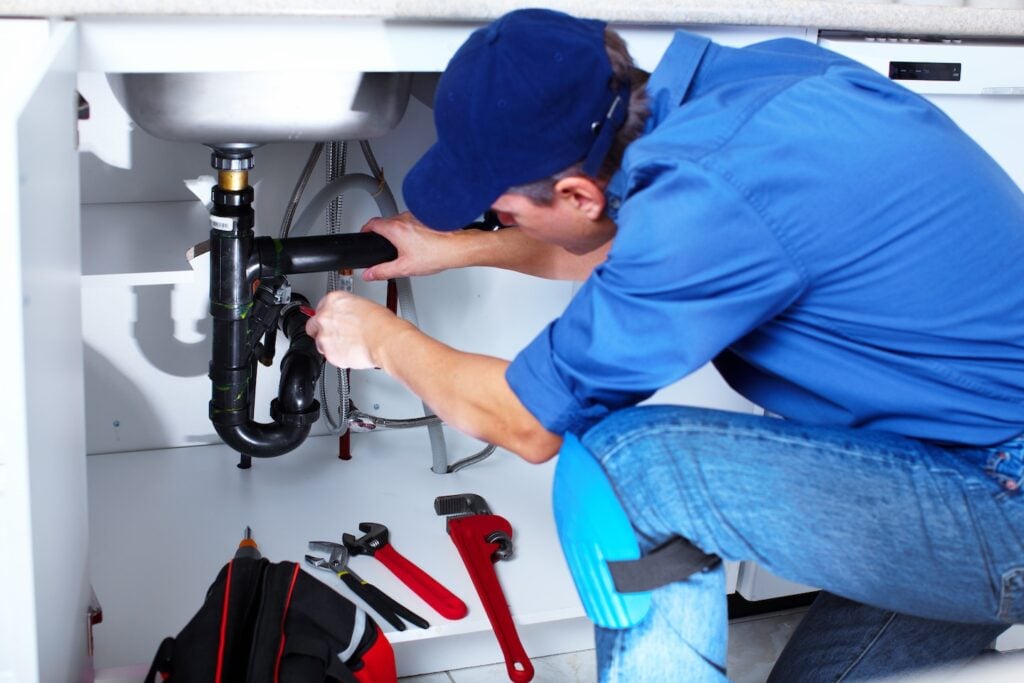
Few home service trades are as essential and urgent as plumbing. Burst pipes, clogged drains, and broken water heaters demand immediate attention, which often means less price shopping and faster decisions. With relatively low startup costs and high average job values, plumbing continues to be one of the most dependable niches for steady income and strong margins.
Market Size (U.S.):
$158.6 billion in 2026
Why It’s Profitable:
- Emergency jobs = fast conversions and premium pricing
- High-ticket installs like tankless water heaters and repiping
- Low overhead compared to other skilled trades
Trends Fueling Growth:
- Aging infrastructure increasing demand for system overhauls
- Water conservation driving interest in efficient fixtures
- Smart leak detection and filtration systems on the rise
Bonus Revenue Potential:
- Annual inspection or membership programs for homeowners
- Add-on services: water softeners, sump pumps, sewer camera inspections
3. Roofing: High Margins, Big Opportunities
Roofing is one of the highest-ticket home services, with full replacements often running $10,000 to $25,000 or more. While not needed as frequently as HVAC or plumbing, when the time comes, it’s a must-do investment. Whether caused by age, storm damage, or energy efficiency upgrades, roof work is rarely postponed, making this niche both high-value and high-urgency.
Many roofing contractors build their businesses on referrals and storm restoration, but the most profitable companies lean into specialization, digital marketing, and insurance claim expertise. Solar-ready and energy-efficient roofing systems are adding even more value to a typical install.
Market Size (U.S.):
$59.2 billion in 2024, with strong growth projected due to aging housing stock and extreme weather patterns
Why It’s Profitable:
- High average ticket for replacements and repairs
- Insurance-funded storm restoration work offers large margins
- Low customer retention needed—one good job = big payday
Trends Fueling Growth:
- Increase in hail and wind damage claims due to extreme weather
- Rising demand for metal, solar-compatible, and energy-efficient roofing systems
- Homeowners replacing aging roofs to maintain property value or prep for solar
Bonus Revenue Potential:
- Gutter installs, attic insulation, skylights, and roof maintenance add-ons
- Storm monitoring services and roof checkups for insurance partners

4. Electrical: Powered by Innovation
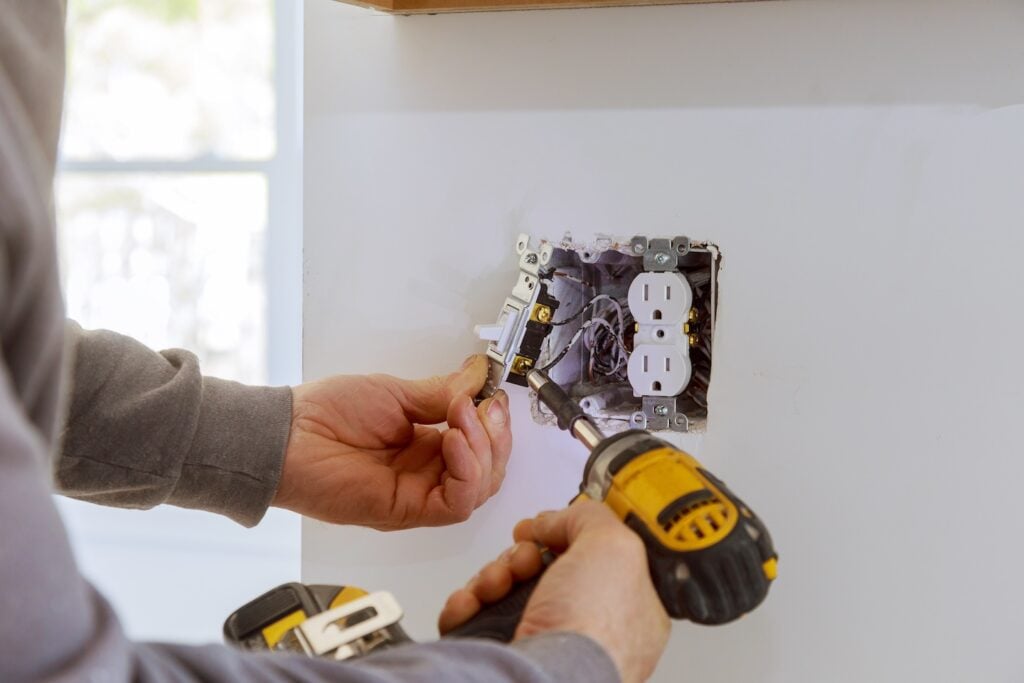
As homes become smarter and more electrified, demand for skilled electricians continues to climb. From panel upgrades to EV charger installations, today’s electrical work is far more than just wiring a new outlet. With the push toward energy independence, solar integration, and electric vehicles, electricians are uniquely positioned to capitalize on a fast-growing and highly specialized market.
What sets electrical apart is the relatively low materials cost compared to the high billing rate for licensed labor. While the learning curve and licensing requirements are significant, those who invest in certification often see strong ROI. And as building codes evolve to require more modern systems, electricians will remain essential players in both new construction and retrofits.
Market Size (U.S.):
$163.9 billion in 2024, projected to grow to $294.6 billion by 2034 (CAGR: 6.3%)
Why It’s Profitable:
- High hourly rates for licensed professionals
- Growing need for whole-home rewiring, panel upgrades, and backup generators
- Often fewer competitors with proper certification
Trends Fueling Growth:
- Surging demand for EV charger installations and smart home automation
- Solar panel and battery storage system integration
- Electrification of appliances and heating systems replacing gas
Bonus Revenue Potential:
- Ongoing maintenance for commercial systems or apartment buildings
- Partnerships with solar companies or home builders
5. Pest Control: Recurring Revenue, Low Overhead
Pest control may not seem as flashy as roofing or HVAC, but it’s one of the most reliable sources of recurring income in the home services world. Most homeowners aren’t just calling when they see a problem—they’re signing up for monthly or quarterly service plans to keep pests out for good. That subscription-style model leads to steady, predictable revenue and high customer retention.
The overhead is relatively low: a service vehicle, licensing, and chemical inventory are the primary expenses. And with the rise in eco-friendly and pet-safe treatments, pest control companies that stay current with modern solutions are able to upsell premium packages and differentiate themselves in a competitive field.
Market Size (U.S.):
$24.7 billion in 2024, projected to reach $26.8 billion in 2025 (CAGR: 8.5%)
Why It’s Profitable:
- Low startup and equipment costs
- Services are often bundled into recurring monthly or quarterly contracts
- Minimal staffing needed for solo operators to earn six figures
Trends Fueling Growth:
- Increased demand for eco-conscious and pet-safe treatment options
- Smart home monitoring for termite and rodent activity
- Higher pest activity in urban and warm-climate areas
Bonus Revenue Potential:
- Termite bonds, attic insulation, and exclusion services
- Add-on services for real estate inspections and seasonal treatments

How to Start a Home Service Business
Breaking into the home services industry doesn’t require a massive investment, but it does require a clear plan, trade-specific training, and a strong focus on building trust. Whether you’re entering HVAC, plumbing, pest control, or any other niche, these are the essential steps to get started:
1. Choose Your Niche Wisely
Start by evaluating your skills, interests, and the demand in your local area. Look for gaps in the market or specialties underserved by competitors. The five niches covered in this post—HVAC, plumbing, roofing, electrical, and pest control—are among the most profitable in 2026, but profitability still depends on local need and execution.
2. Get Licensed and Certified
Most skilled trades require state licensing, insurance, and sometimes specialized certifications. This protects both you and your clients, and is critical to earning trust. Research your state’s requirements early in the process so you can plan accordingly.
3. Invest in the Right Equipment
Startup costs vary by trade, but expect to budget for tools, a service vehicle, uniforms, and software to manage scheduling, invoicing, and marketing. Don’t overextend, start lean and scale as demand increases.
4. Build a Local Brand
Establish a name that reflects your values and service area, then create a basic website, claim your Google Business Profile, and gather early reviews. Word-of-mouth and trust matter more than fancy branding when you’re just starting out.
5. Focus on Marketing and Customer Service
Even the best technicians struggle without leads. Invest in digital marketing, especially Google search visibility, and respond quickly to inquiries. Providing excellent customer service is your best long-term strategy for building repeat business and referrals.
Starting small doesn’t mean staying small. Many of the most successful home service entrepreneurs began with a single truck and grew into multi-million dollar operations by staying focused, staying local, and delivering consistently great results.
What to Avoid When Starting Out
Getting your home service business off the ground is exciting, but it’s also easy to make costly mistakes early on. Avoiding these common pitfalls can save you time, money, and headaches:
1. Underpricing Your Services
Many new business owners charge too little out of fear they won’t land jobs. But low pricing attracts bargain hunters, not loyal customers, and it often leaves you scrambling to cover costs. Know your value, calculate your true expenses, and price for profit from the start.
2. Skipping Proper Licensing and Insurance
It might seem like a shortcut to start working before you’re fully licensed or insured, but it’s a legal and financial risk. One accident or complaint can derail your business. Take the time to do it right—you’ll build trust and protect yourself long-term.
3. Trying to Offer Everything at Once
Avoid the temptation to be a “do-it-all” provider. Specializing helps you stand out and operate more efficiently. Focus on one or two core services, build a strong process, then expand strategically.
4. Ignoring Marketing Until You’re Slow
A lot of contractors wait until work dries up to start thinking about leads. But good marketing takes time to kick in. Create a basic website, claim your Google Business Profile, and ask every happy customer for a review, before you need the next job.
5. Neglecting Customer Communication
You can be the most skilled tech in town, but if you don’t return calls, show up on time, or follow through, you’ll lose business fast. Professionalism, clear communication, and follow-up are what turn first-time customers into repeat clients and referrals.
Start Smart, Grow Fast
The most profitable home service businesses in 2026 are built on high demand, strong margins, and smart positioning. If you’re choosing where to start, consider:
- HVAC for consistent, high-value jobs
- Plumbing for urgent demand and fast growth
- Roofing for big paydays and insurance work
- Electrical for tech-driven expansion
- Pest Control for low overhead and recurring revenue
Pick a lane, start lean, and avoid the early mistakes that stall so many businesses. With the right strategy and consistent execution, you’ll be set up to grow fast in a market that’s not slowing down.
Need help growing your visibility, leads, or brand in the home services space? Contact us for a free strategy call.